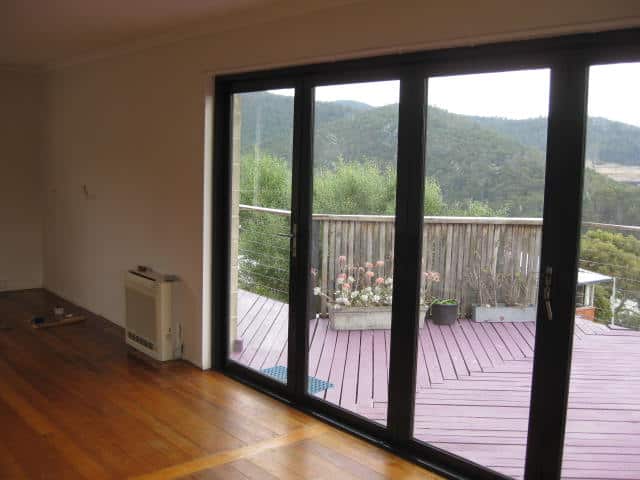
Are you buying a house or building in Hobart or Southern Tasmania? We perform independent pre-purchase home and building inspections using state of the art inspection tools including a thermal imaging camera, video borescope and moisture detection meter.
 Download sample pre-purchase inspection report PDF, 995kb
Why should I get an inspection before buying a home?
A thorough inspection by Building eValuate will highlight any existing defects and potential problems in the house before you commit to buying. Since buying a home may be the biggest financial investment you will ever make, a pre-purchase inspection is a relatively small investment that will give you peace of mind for years to come. Not only can you be confident that the property has been thoroughly inspected by an accredited builder, but you’ll be able to refer to our comprehensive reports if you decide to renovate, extend or sell.
Getting as much information as you can before signing a contract means that future repairs or alterations can be more accurately budgeted – or, if there are problems with the home, a reduction in the purchase price can often be negotiated. Some mortgage providers will request that an inspection be performed before they commit to funding a home loan. Be wary of unqualified, inexperienced inspectors – if they miss something, you’ll pay for their mistake!
What do we look for in a pre-purchase inspection?
A Building eValuate inspection comprises a visual assessment of the property to evaluate its general condition and identify any major defects. Our pre-purchase inspections comply with Australian Standard AS 4349.1-1995.
The following areas are inspected (where access is available):
The building’s interior: Ceilings; walls; floors; windows; bedrooms; living areas; doors and frames in the kitchen; bathroom; WC; ensuite; laundry; stairs; areas of rising damp.
The building’s exterior: walls (including lintels, claddings, doors and windows); timber or steel frames & structures; chimneys; stairs; balconies, verandas, patios, decks, suspended concrete floors and balustrades.
The roof exterior: roof (including tiles, shingles and slates, roof sheeting, gables, flashings); skylights, vents & flues; valleys; guttering; downpipes; eaves, fascias and barges.
The roof space: roof covering; roof framing; sarking; party walls; insulation.
The sub-floor space: timber flooring (including supports, floor, ventilation, drainage, damp); suspended concrete floor.
How do I arrange a pre-purchase inspection?
Building eValuate will arrange a convenient time and date to inspect the property with the agent/vendor. Inspections can take up to two hours, depending on the size and condition of the property. Our inspectors are experienced accredited building practitioners who are qualified to offer advice on the costs of repairs and feasibility of proposed building changes.
How are defects reported?
Our inspectors compile a comprehensive report which documents any building and/or maintenance issues that were noted during the inspection. Detailed images are included to give the reader a clear understanding of where defects are located. Solutions are suggested and relevant tradespeople recommended (if required).
The report categorises defects as:
Major: Where rectification must be carried out in order to avoid unsafe conditions, loss of utility or further deterioration of the property.
Minor: Primarily aesthetic defects, or issues relating to a localized part of the building.
Safety hazard: A defect that creates (or could create) a potentially serious safety hazard.
Further investigation: A defect or possible defect that warrants further investigation by an appropriate specialist.
How much will a pre-purchase inspection cost?
A Building eValuate inspection, including a full written report, usually costs between $300 and $650 depending on the size, location and age of the property. We can quote you a price over the phone, or you can contact us for a fixed price quote.
Building inspection charges are based on an hourly rate and pricing is based on the onsite investigation and time taken to generate a report. Larger or older buildings generally take longer to inspect and report on than smaller units or houses and prices are quoted accordingly.
Why choose Building eValuate for your pre-purchase building inspection?
- Building eValuate are accredited building practitioners.
- Building eValuate are accredited professional building inspectors.
- Building eValuate are Certificate 1 qualified Building Thermographers. We utilise thermal imaging techniques as part of our inspection.
- Building eValuate protects your interests by carrying full professional indemnity insurance.
- Building eValuate’s reports are not a ‘tick box’ style – our reports include detailed information and images to clarify highlighted problems.
- Building eValuate are an independent consultancy. We do not rely on recommendations from real estate agents and can guarantee honest, impartial reporting.
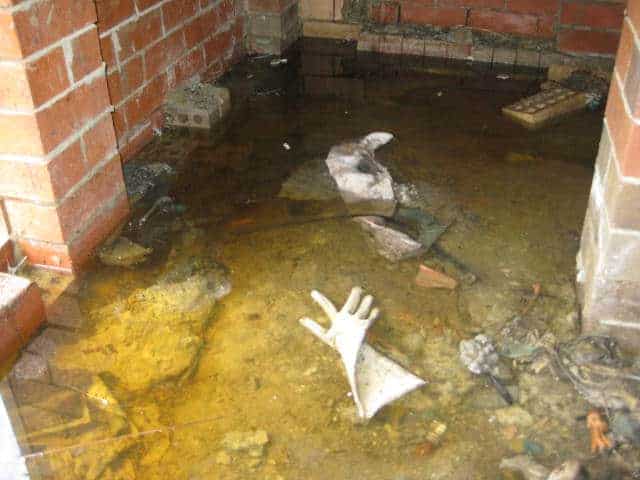
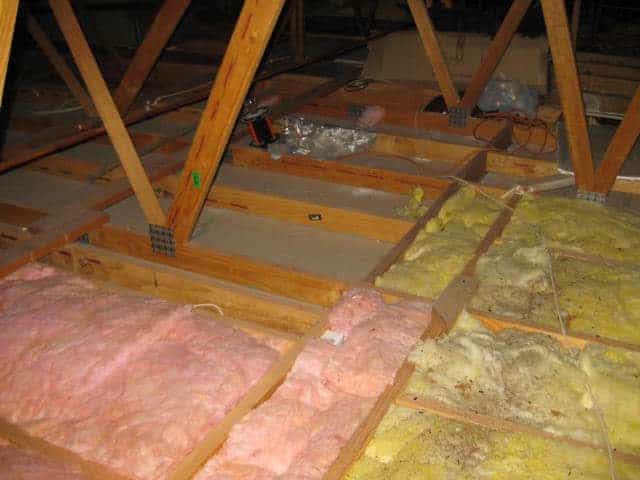
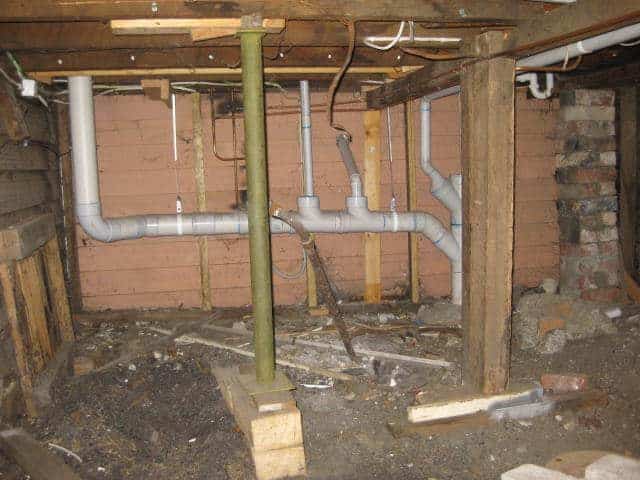
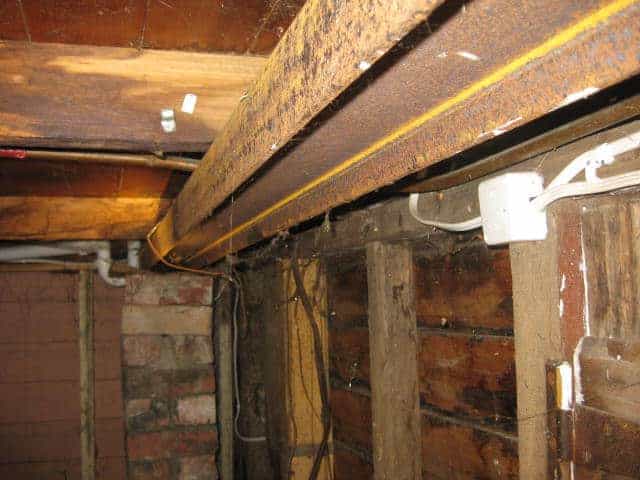
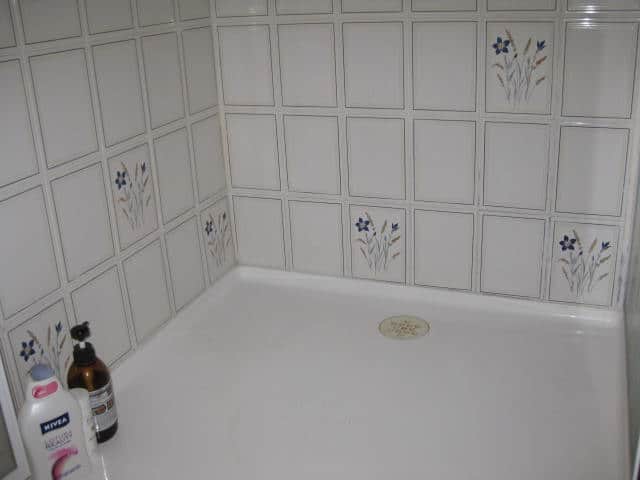
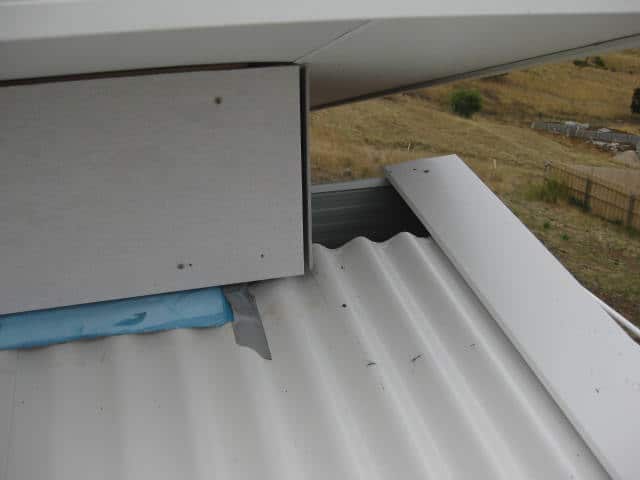
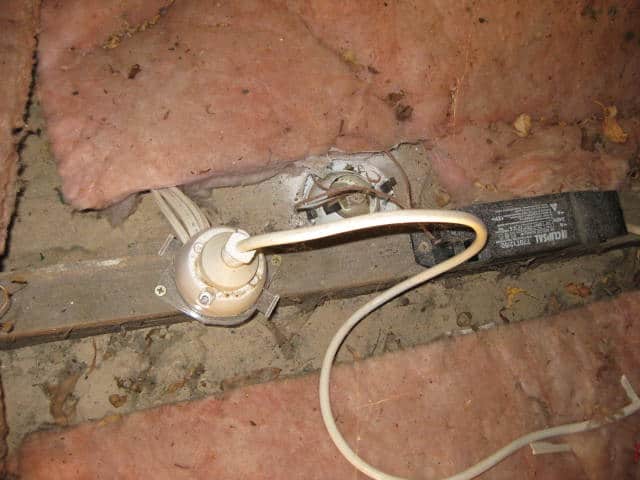
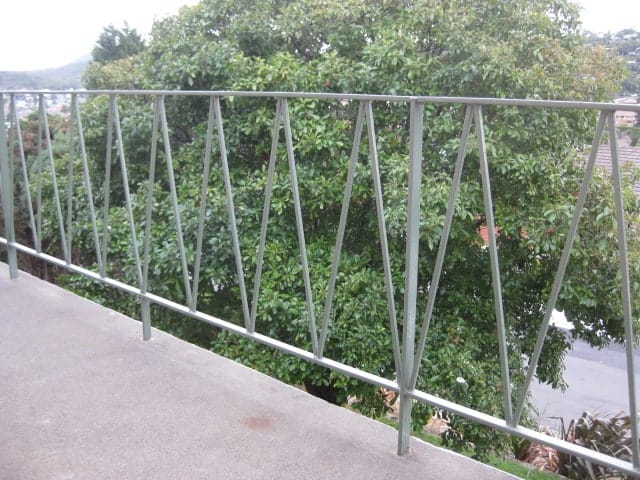
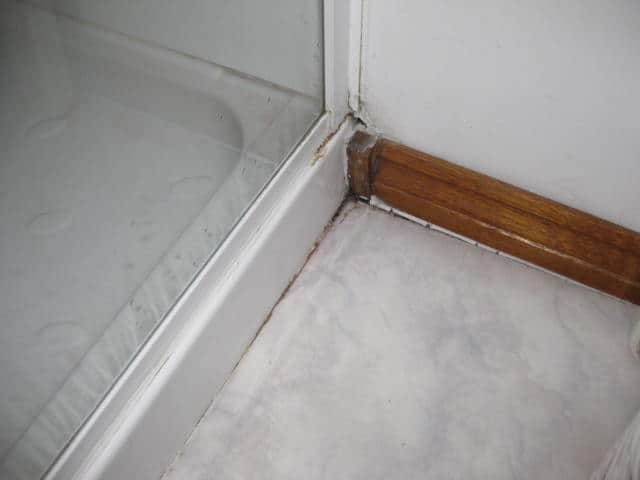
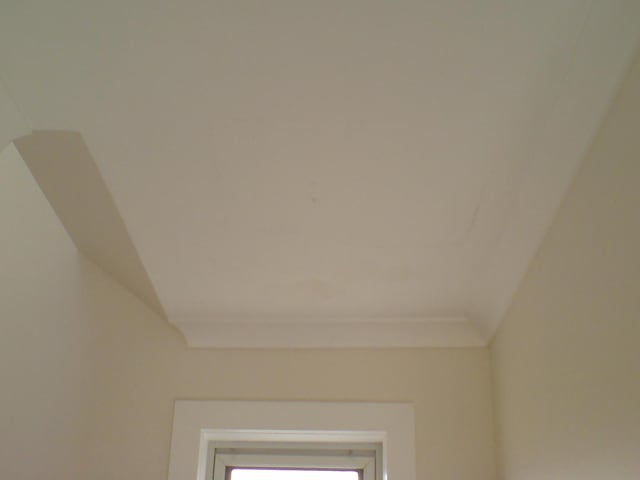
Defect examples recorded at recently inspected buildings (click on any image for more information).
Before you buy a house in Tasmania, talk to us about a pre-purchase building inspection – it could save you thousands!